Posted on 1 Comment

Hiking – A Precision Compass Is Important For Decision Making

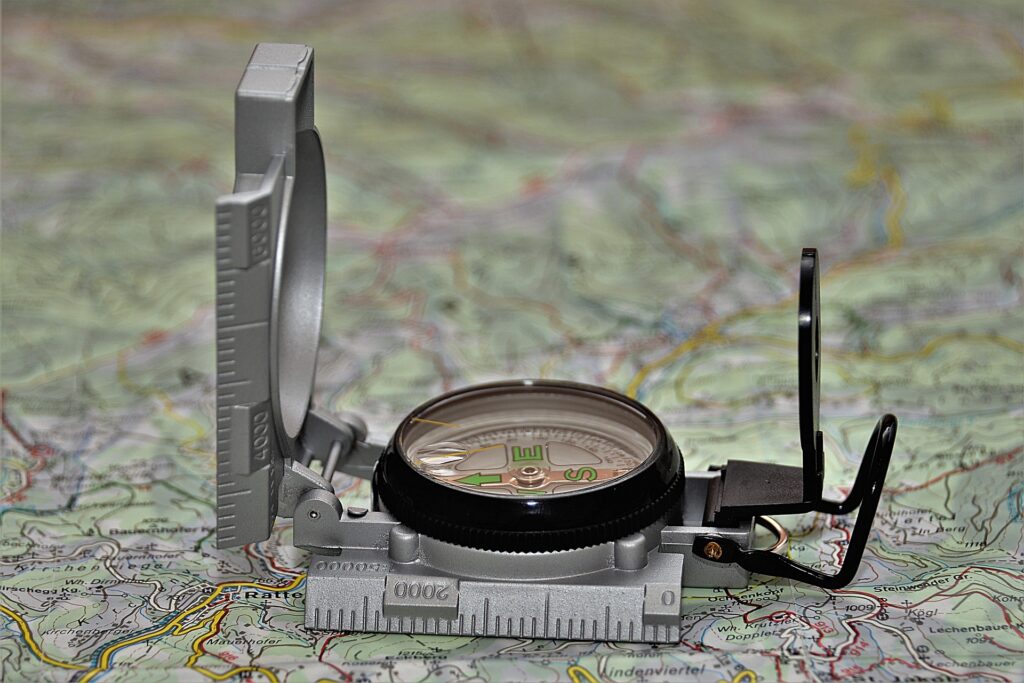
a precision compass

A Precision Compass

Using a precision compass effectively requires knowledge and practice.
Hiking is a timeless outdoor activity that offers a multitude of benefits, from physical exercise to mental rejuvenation. It allows us to disconnect from our busy lives and immerse ourselves in the beauty of nature. However, amidst the tranquility and scenic landscapes, hikers often encounter challenging situations that require precise decision-making. A reliable and precise compass can be a valuable tool that empowers hikers to navigate confidently, ensuring their safety and enhancing their overall experience.

Navigational Challenges in Hiking

While many hikers today rely on GPS devices and smartphone apps for navigation, it’s essential to recognize that these technologies can sometimes fail due to factors like poor signal reception, drained batteries, or technical glitches. In such situations, a physical compass can become a hiker’s lifeline, allowing them to determine direction accurately and make informed decisions.

Hiking trails can be diverse, ranging from well-marked paths to remote, unmarked territories. Navigating through dense forests, steep inclines, or open meadows can sometimes be disorienting, especially when visibility is reduced due to weather conditions or nightfall. A precision compass can cut through this confusion, serving as a steadfast guide even when other navigational aids are unavailable.

The Empowerment of Accurate Decision-Making

  1. Reliable Direction: A precision compass provides a clear sense of direction, allowing hikers to establish their bearing and choose the right path. This is particularly crucial in areas where trail markers might be absent or ambiguous.
  2. Emergency Situations: In case of an emergency or getting lost, a compass can help hikers navigate towards a known point, such as a trailhead or a familiar landmark. This can prevent them from venturing deeper into unknown territory.
  3. Route Planning: A compass enables hikers to plan their routes more effectively. By understanding the cardinal directions and distances accurately, they can estimate the time required to reach their destination and allocate resources accordingly.
  4. Terrain Assessment: Topographical maps combined with a compass can aid in assessing the terrain’s steepness and elevation changes. This information is invaluable for planning breaks, managing fatigue, and staying safe.

Learning to Use a Compass

Using a compass effectively requires knowledge and practice. Hikers should familiarize themselves with basic compass components, such as the rotating bezel and the magnetic needle. Learning to orient a map using a compass, as well as taking declination into account, are essential skills that ensure accurate navigation.

Participating in navigational courses, workshops, or guided hikes can provide hands-on experience and build confidence in using a compass. These opportunities allow hikers to understand how to apply compass readings to their surroundings and navigate without solely relying on electronic devices.

Conclusion

Hiking is an exhilarating adventure that brings us closer to nature and provides a refreshing escape from our daily routines. However, it’s important to remember that even the most experienced hikers can encounter unexpected challenges. In these moments, a precision compass becomes more than just a tool; it becomes a source of empowerment. By mastering the art of compass navigation, hikers can confidently explore diverse terrains, navigate through challenging conditions, and make informed decisions that ensure their safety and enrich their hiking experiences. So, before embarking on your next hiking adventure, make sure you’re equipped with not only your hiking gear but also the invaluable precision of a compass.

Buy a compass at https://campsidecorner.com/compasses/

#campsidecorner #compass #nature #learntouseacompass #hiking #compassnavigation

Share it on Facebook

Posted on 2 Comments

Mastering Navigation – Your Ultimate Guide to Using a Compass Effectively

using a compass effectively

Using a Compass Effectively

Using a compass effectively is a fundamental skill that has been crucial to human survival for centuries. From ancient explorers and sailors to modern hikers and adventurers, the ability to find one’s way in the great unknown has always been a coveted skill. While technology has given us advanced GPS devices and navigation apps, there’s something undeniably timeless and empowering about learning to use a compass effectively. In this CampsideCorner article, we’ll delve into the art of compass navigation and explore the steps to mastering this essential skill.

Understanding the Basics: How a Compass Works

Before delving into the practical aspects of using a compass effectively, it’s important to grasp the fundamental principle behind its operation. A compass is a simple yet ingenious device that utilizes the Earth’s magnetic field to determine direction. The needle inside the compass is magnetized and points towards the Earth’s magnetic North Pole. This means that when you hold the compass level, the needle will always point north.

Step 1: Familiarize Yourself with the Compass

Begin by getting acquainted with the components of a compass. Most compasses consist of a circular housing, a magnetic needle, and a rotating bezel with degree markings. Take the time to understand how these parts work together, as this foundational knowledge will form the basis of your navigation skills.

Step 2: Find Your Bearings

The concept of “bearing” in navigation refers to the direction or angle of a specific location in relation to the compass. Bearings are usually given in degrees, with 360 degrees representing a full circle. To find your bearings using a compass, hold the compass level and rotate your body until the magnetic needle aligns with the North marking on the bezel. The direction you’re facing is now your reference point for taking bearings.

Step 3: Taking Bearings to Navigate

Taking a bearing involves determining the angle between your current direction and the direction of your destination. Let’s say you’re hiking and want to reach a distant peak. Point the compass in the direction of the peak and read the degree marking on the bezel where the magnetic needle points. This is the bearing you need to follow.

Step 4: Adjusting for Magnetic Declination

One crucial factor to consider is magnetic declination, which is the difference between true north (geographic north) and magnetic north. This variance varies based on your location and changes over time due to the Earth’s movement. To account for magnetic declination, adjust your compass reading by the appropriate number of degrees. Many modern compasses allow you to adjust for declination, ensuring greater accuracy in your navigation.

Step 5: Maintaining a Straight Course

Now that you have your bearing, it’s time to maintain a straight course. Keep the compass in front of you, aligning the direction of travel arrow with your bearing. As you move, ensure that the magnetic needle stays aligned with the North marking on the bezel. This will keep you on the correct path.

Step 6: Using Landmarks

Compasses work best when used in combination with natural landmarks. As you navigate, keep an eye out for distinctive features like mountain peaks, rivers, or valleys. Compare these landmarks with your map and compass reading to confirm that you’re on the right track.

Step 7: Practice Makes Perfect

As with any skill, practice is essential for becoming proficient at using a compass. Start with simple exercises in familiar terrain before progressing to more challenging environments. Practice taking bearings, adjusting for declination, and following your chosen path until you’re confident in your abilities.

In a world where technology can sometimes fail or become unavailable, mastering the art of using a compass effectively is a timeless and valuable skill. Learning to use a compass effectively not only enhances your outdoor experiences but also connects you to the ancient traditions of exploration and adventure. So, take the time to familiarize yourself with the compass, hone your navigation skills, and embark on your next journey with confidence, guided by the power of this simple yet powerful tool.

#campsidecorner #repost #nature #navigation #compass

Share it on Facebook

Posted on Leave a comment

An Introduction to Fishing Reels: Exploring Types and Their Uses

https://campsidecorner.com/fishing-reels/

Introduction
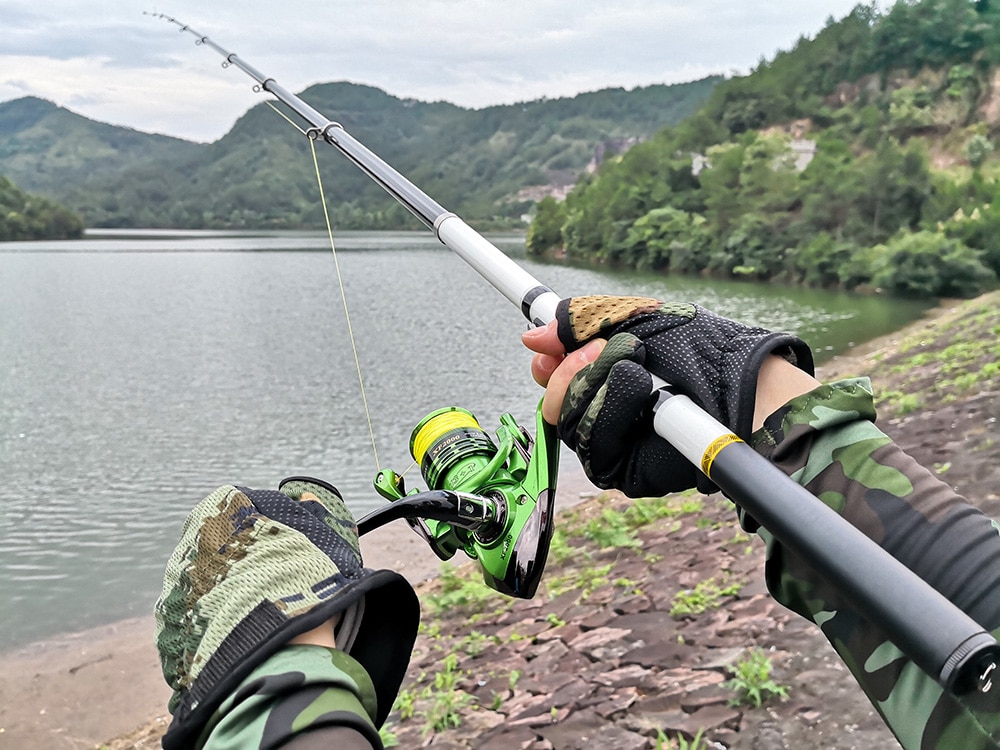
When it comes to fishing, having the right equipment is essential for a successful and enjoyable experience. One crucial piece of gear every angler should understand is the fishing reel. Fishing reels come in various types, each designed for specific fishing techniques and conditions. In this post, we will explore different types of fishing reels and their respective uses, helping you choose the right reel for your fishing adventures.

fishing reels on campsidecorner.com
  1. Spinning Reels
    Spinning reels are among the most popular and versatile fishing reels used by anglers of all skill levels. They feature an open-faced design with a fixed spool, allowing the line to unravel freely during casts. Spinning reels are ideal for lightweight to medium-weight fishing, such as freshwater fishing or light saltwater applications. They offer excellent casting distance and versatility, making them suitable for a wide range of fishing techniques, including live bait fishing, casting lures, and finesse techniques.
  2. Baitcasting Reels
    Baitcasting reels, also known as overhead reels, are favoured by experienced anglers due to their precision and casting accuracy. These reels feature a revolving spool and are mounted on top of the fishing rod. Baitcasting reels are primarily used for heavy-duty fishing, such as targeting large freshwater species or saltwater game fish. They excel at casting heavier lures, fishing in dense cover, and providing excellent control when battling powerful fish.
  3. Spincast Reels
    Spincast reels are often referred to as closed-face reels, characterized by their simple and user-friendly design. These reels are ideal for beginners and young anglers due to their ease of use and tangle-free operation. Spincast reels have a closed housing that protects the line and spool, making them less prone to tangles and backlash. They are commonly used for light fishing applications in freshwater, such as panfish, small bass, or trout fishing.
  4. Fly Reels
    Fly reels are specifically designed for fly fishing, a technique that involves casting lightweight artificial flies using a specialized fly rod and line. These reels have a large arbor design to accommodate the bulkier fly lines required for casting. Fly reels play a vital role in controlling and managing the line during fly fishing, ensuring smooth drag and retrieval. They come in various sizes to match different fly rod weights and are typically used for freshwater and saltwater fly fishing.
  5. Trolling Reels
    Trolling reels are primarily used for offshore or deep-sea fishing, where anglers deploy lines from a moving boat. These reels are designed to hold a substantial amount of fishing line and offer a powerful drag system to handle large, hard-fighting game fish. Trolling reels feature a level-wind mechanism that distributes the line evenly on the spool, allowing for smooth and controlled retrieves. They are commonly used for targeting species like tuna, marlin, or salmon in deep waters.

Conclusion
Understanding the different types of fishing reels and their uses is crucial for selecting the right reel that suits your fishing style, target species, and fishing conditions. Whether you’re a beginner or an experienced angler, having the appropriate reel for the task at hand can greatly enhance your fishing success and overall enjoyment. So, next time you head out on your angling adventures, make sure to match your fishing reel with the appropriate fishing technique, and get ready to reel in some memorable catches!

#campsidecorner #fishing #fishingreels

Share it on Facebook

Posted on 1 Comment

Embrace the Wild. Discover the Beauty and Thrill of the Great Outdoors!

great outdoors with campsidecorner.com

🌿🏞️ πŸŒ„πŸŒ²

Are you ready to break free from the everyday hustle and embark on a journey that will ignite your spirit and awaken your senses? Step into the realm of nature’s grandeur and immerse yourself in the breath-taking beauty of the great outdoors! πŸŒ³β›°οΈ

great outdoors

πŸŒ… Unveiling the Magnificence

Picture yourself standing atop a majestic mountain peak, gazing at an awe-inspiring sunrise that paints the sky with hues of gold and pink. Feel the cool breeze as it brushes against your face, carrying with it the invigorating scents of pine and earth. The great outdoors offers a sanctuary for the soul, a place where tranquillity and adventure coexist in perfect harmony.

🌲 A Playground of Wonder

From dense forests to cascading waterfalls, from serene lakes to rugged cliffs, nature’s playground is vast and diverse, ready to be explored. Lace up your hiking boots and set off on winding trails that lead you through enchanting landscapes, revealing hidden gems along the way. Dive into crystal-clear lakes for a refreshing swim or test your courage with thrilling rock-climbing escapades. The possibilities are as endless as the horizon!

⛺️ Unforgettable Camping Experiences

As the sun dips below the horizon, it’s time to set up camp and let the magic of the wilderness envelop you. Build a cozy fire, roast marshmallows, and share stories under a canopy of twinkling stars. Fall asleep to the soothing sounds of nature and wake up to the symphony of birdsong, feeling rejuvenated and connected to the earth.

🌈 Find Your Adventure

Whether you’re a seasoned explorer or a nature enthusiast just starting your journey, the great outdoors welcomes all. Hike through ancient forests, paddle along winding rivers, or cycle through scenic trails. Challenge yourself with adrenaline-pumping activities like zip-lining or indulge in moments of serenity while birdwatching or practicing yoga amidst nature’s embrace.

πŸŽ’ Gear Up for the Journey

To truly embrace the wild, you need the right gear by your side. At Campside Corner we are passionate about equipping adventurers like you with top-notch camping and outdoor gear. From reliable tents and comfortable sleeping bags to rugged backpacks and essential survival tools, we’ve got everything you need to make your outdoor experience unforgettable.

πŸ”† Embrace the Call of the Wild

The great outdoors is calling, beckoning you to leave behind the ordinary and discover extraordinary moments that will stay etched in your heart forever. Join us as we embark on this thrilling journey together, embracing the wild and unlocking the boundless beauty and exhilaration of the great outdoors!

🌿✨ Share this post with your fellow adventurers and tag them in the comments below. Let’s inspire each other to embrace the wild and create memories that will last a lifetime!

#campsidecorner #nature #EmbraceTheWild #DiscoverTheOutdoors #AdventureAwaits