Posted on Leave a comment

7 Solar-Powered Gadgets You Need for an Eco-Friendly Outdoor Experience

Solar-Powered

Solar-powered gadgets offer a sustainable way to enhance your outdoor experience, helping you reduce your reliance on disposable batteries and non-renewable energy sources. Camping is an excellent opportunity to disconnect from modern life and connect with nature. But who says you can’t enjoy the perks of technology while staying eco-friendly? Here are seven must-have solar-powered gadgets for your next eco-friendly adventure.

solar-powered


1. Solar Lanterns

When the sun sets, solar lanterns provide a reliable and sustainable source of light. These gadgets absorb sunlight during the day and store energy in rechargeable batteries, ensuring you have light throughout the night.

  • Why You Need It: They eliminate the need for disposable batteries and reduce fire hazards compared to traditional lanterns or candles.
  • Top Features to Look For: Adjustable brightness settings, water resistance, and compact designs for easy transport.

A great option is the LuminAID PackLite Max 2-in-1 Lantern, which doubles as a phone charger and is collapsible for easy packing.


2. Solar Power Banks

Keep your devices charged with a solar power bank, a must-have for campers who rely on their phones for navigation, photography, or emergency communication.

  • Why You Need It: It’s a lifesaver in remote areas with no access to electricity.
  • Top Features to Look For: Multiple USB ports, high-capacity batteries, and fast-charging capabilities.

Check out the BigBlue 28W Solar Charger, which is lightweight and can charge multiple devices simultaneously.


3. Solar Showers

A solar shower ensures you stay clean and refreshed without the need for gas or electricity. These portable devices heat water using sunlight, making them perfect for off-grid adventures.

  • Why You Need It: They provide a comfortable shower experience while conserving resources.
  • Top Features to Look For: Durable materials, large water capacity, and a built-in temperature gauge.

The Advanced Elements 5-Gallon Solar Shower is a popular choice, offering warm water for multiple uses.


4. Solar-Powered Cookers

Cooking in the wild doesn’t have to harm the environment. Solar cookers use reflective surfaces to harness sunlight, enabling you to prepare meals without using firewood or gas.

  • Why You Need It: They’re a safe, smoke-free, and eco-friendly alternative to traditional cooking methods.
  • Top Features to Look For: Portability, adjustable reflectors, and cooking versatility.

The GoSun Sport Solar Cooker is compact, efficient, and capable of cooking meals in as little as 20 minutes.


5. Solar-Powered Radios

Stay informed and entertained with a solar-powered radio. Many models also include emergency features like flashlights, weather alerts, and hand-crank backups.

  • Why You Need It: It’s a multifunctional tool that keeps you connected to weather updates and emergency broadcasts.
  • Top Features to Look For: AM/FM/NOAA capabilities, rugged design, and multiple charging options.

The Kaito KA500 5-Way Powered Radio is a versatile choice, offering solar, battery, USB, and hand-crank charging options.


6. Solar Camping Fans

Hot and humid nights can make camping uncomfortable, but a solar-powered fan ensures you stay cool and relaxed.

  • Why You Need It: It improves air circulation in tents and prevents overheating during summer trips.
  • Top Features to Look For: Adjustable speeds, quiet operation, and a rechargeable battery.

The Odoland Portable LED Camping Lantern with Ceiling Fan combines lighting and cooling in one compact device.


7. Solar Flashlights

A solar-powered flashlight is a reliable backup for your camping kit. These gadgets are lightweight, durable, and always ready to use after absorbing sunlight.

  • Why You Need It: They’re an eco-friendly alternative to traditional flashlights that require disposable batteries.
  • Top Features to Look For: Long battery life, water resistance, and multiple light modes.

The Goal Zero Torch 250 Flashlight is a fantastic option, featuring a built-in solar panel and USB charging capabilities.


Tips for Maximizing Solar Gadgets

To get the most out of your solar-powered gear, follow these simple tips:

  1. Optimize Sunlight Exposure: Place your gadgets in direct sunlight for maximum charging efficiency. Avoid shaded areas or cloudy conditions if possible.
  2. Plan Charging Times: Charge your devices during the day while you’re out exploring to ensure they’re ready for nighttime use.
  3. Maintain Your Gear: Clean the solar panels regularly to remove dirt or debris that might reduce their efficiency.

Conclusion

Incorporating solar-powered gadgets into your camping routine is a win-win for you and the environment. These innovative tools enhance your outdoor experience while reducing your carbon footprint. From lanterns and power banks to cookers and showers, there’s a solar solution for every camper. Ready to upgrade your gear? Check out Campside Corner’s solar-powered recommendations and gear up for an eco-friendly adventure today!

Posted on Leave a comment

5 Powerful Tips to Reduce Your Environmental Footprint While Camping

Reduce Your Environmental Footprint

Reduce your environmental footprint while camping – here are five powerful tips to help you. Camping allows us to immerse ourselves in nature’s beauty, but our actions can have lasting impacts on the environment. By adopting sustainable practices, we can ensure our outdoor adventures leave minimal traces.

Reduce your environmental footprint


1. Plan Ahead and Pack Smart

Minimizing your environmental impact starts before you even leave home. Thoughtful planning helps you avoid overpacking and reduces waste during your trip.

  • Use Reusable Containers: Instead of single-use plastics, pack food and supplies in reusable containers. Mason jars, silicone bags, and beeswax wraps are excellent options for storing snacks and ingredients.
  • Research Campsite Rules: Familiarize yourself with the “Leave No Trace” principles and any specific regulations at your campsite. Knowing the rules ensures you’re prepared to follow eco-friendly practices and reduce your environmental footprint.
  • Buy in Bulk: Purchasing food and supplies in bulk reduces packaging waste. Portion out what you need at home to avoid excess.

By being mindful in your preparations, you’ll reduce the waste you bring into nature.

Additionally, consider creating a checklist to ensure you only pack what’s necessary. This minimizes the risk of overpacking and keeps your load light, which is especially important for backpacking trips. A well-organized plan also helps reduce stress, allowing you to focus on enjoying your adventure.

Packed reusable camping supplies on a table


2. Choose Sustainable Camping Gear

Investing in eco-friendly gear not only helps the environment but also supports brands committed to sustainability. Here’s what to look for:

  • Eco-Friendly Materials: Opt for tents, sleeping bags, and clothing made from recycled or natural fibers. Check out Campside Corner’s Guide to Sustainable Gear for recommendations.
  • Solar-Powered Gadgets: Replace battery-operated devices with solar-powered alternatives like lanterns, chargers, and radios.
  • Repair Instead of Replace: Extend the life of your gear by repairing it when possible. Many companies offer repair kits or services for outdoor equipment.

Choosing sustainable options reduces waste and helps conserve natural resources, also reduce your environmental footprint.

It’s also worth considering multi-functional gear, such as backpacks with built-in solar panels or sleeping bags that convert into blankets. These innovative solutions save space and reduce the need for additional items, making your packing even more efficient.

Eco-friendly camping gear laid out at a campsite


3. Minimize Waste with Zero-Waste Practices

Adopting a zero-waste approach to camping is easier than it sounds and significantly reduces your environmental impact.

  • Bring Compostable Items: Use compostable trash bags and biodegradable toiletries to reduce pollution.
  • Carry Out All Trash: Pack out all waste, including food scraps, to avoid attracting wildlife and disrupting ecosystems.
  • Reuse and Recycle: Bring a small sorting bin for recyclables and reuse items like jars or containers for storage.

These practices ensure you leave the campsite as pristine as you found it.

To take it a step further, consider meal planning with waste reduction in mind. Pre-cut fruits and vegetables at home, and pack them in reusable containers. This not only minimizes food waste but also saves time during meal prep at the campsite.

Compostable trash bags and sorted waste bins at a campsite


4. Respect Wildlife and Natural Habitats

One of the best ways to reduce your footprint is by being mindful of the environment and its inhabitants.

  • Stay on Trails: Hiking on designated paths prevents erosion and protects plant life.
  • Observe from a Distance: Resist the urge to feed or approach wildlife. Human food can harm animals and disrupt their natural behaviors.
  • Use Eco-Friendly Campfires: If campfires are allowed, use designated fire rings and only burn local, untreated wood. Better yet, consider using a portable camp stove to minimize air pollution.

By respecting nature, you help preserve it for future generations.

In addition, avoid picking plants or disturbing nests and burrows. Taking only memories and leaving only footprints ensures that the ecosystem remains undisturbed for other visitors and wildlife.

Hiker on a trail observing wildlife from a distance


5. Conserve Resources at the Campsite

Resource conservation is key to sustainable camping. Simple actions can make a big difference:

  • Use Less Water: Bring a collapsible water container and use biodegradable soap to wash dishes and yourself efficiently.
  • Opt for Energy-Efficient Lighting: Solar-powered lanterns or LED lights are excellent alternatives to traditional lighting.
  • Share Gear: If camping with a group, coordinate to share equipment like stoves and cookware to reduce the overall load and resource use.

Small changes in how you use resources can significantly lower your environmental impact.

Additionally, be mindful of how you dispose of greywater. Strain it to remove food particles and disperse it at least 200 feet from natural water sources. This practice ensures that you protect waterways from contamination.

Camper using solar-powered lights at dusk


Conclusion

Reducing your environmental footprint while camping is about making mindful choices that prioritize sustainability and respect for nature. By planning ahead, using eco-friendly gear, minimizing waste, respecting wildlife, and conserving resources, you can enjoy the great outdoors while protecting it for future adventurers.

For more tips and eco-friendly product suggestions, visit Campside Corner and embark on your next adventure responsibly!

Posted on Leave a comment

10 Must-Have Eco-Friendly Camping Gear for a Greener Adventure

Eco-Friendly Camping Gear

With the right eco-friendly camping gear, you can enjoy your outdoor adventures while minimizing your environmental footprint. Camping is a fantastic way to reconnect with nature, but it’s important to do so responsibly.Β  Here’s a list of 10 must-have essentials that combine functionality, sustainability, and a love for the planet.

Eco-Friendly Camping Gear

  1. Solar-Powered Lanterns

Ditch the disposable batteries and invest in solar-powered lanterns. These lanterns provide ample light and recharge during the day using solar energy. Some models even double as phone chargers! Check out Campside Corner’s Top Light and Lighting Picks for guidance on selecting the best one for your needs.

In addition to their environmental benefits, solar-powered lanterns are incredibly cost-effective in the long run. By eliminating the need for disposable batteries, you save money and reduce waste. Many modern lanterns are also designed to withstand rugged outdoor conditions, ensuring they last for years. Whether you’re lighting up a tent or creating ambiance around a campsite, these lanterns are a versatile and sustainable choice.

  1. Reusable Water Bottles and Filters

Single-use plastic bottles are a major environmental hazard. Instead, pack a durable reusable water bottle and a portable water filter. Brands like LifeStraw offer filters that ensure clean drinking water from natural sources.

Reusable water bottles come in a variety of sizes and materials, from stainless steel to BPA-free plastics, catering to different camping needs. Pairing them with portable water filters not only reduces the need to carry large amounts of water but also allows you to safely drink from streams and lakes. This combination ensures you stay hydrated while significantly lowering your ecological footprint.

  • Pro Tip: Pair your bottle with a collapsible water jug for cooking and cleaning water storage – for a better eco-friendly camping gear.
  1. Eco-Friendly Sleeping Bags

Look for sleeping bags made from recycled materials or natural fibers like organic cotton. They provide comfort and warmth without compromising on sustainability.

Eco-friendly sleeping bags often feature innovative insulation technologies, such as recycled polyester or down alternatives, that offer excellent warmth-to-weight ratios. Some brands also prioritize ethical sourcing and manufacturing processes, ensuring your purchase supports fair labor practices. These sleeping bags are perfect for environmentally conscious adventurers who value both comfort and planet-friendly choices.

Visit Campside Corner’s Sustainable Sleeping Bag Guide for recommendations.

  1. Biodegradable Toiletries

Switch to biodegradable soaps, shampoos, and toothpaste to avoid polluting water sources. Brands like Dr. Bronner’s offer multipurpose soaps that are gentle on the environment.

Biodegradable toiletries are a game-changer for campers who want to preserve natural habitats. These products break down quickly and safely, preventing chemical contamination of soil and water. To make your camping experience even more eco-friendly, consider using reusable toiletry containers to minimize single-use plastic waste.

  • Tip: Always wash at least 200 feet away from natural water sources.
  1. Reusable Utensils and Dishware

Say goodbye to disposable cutlery and plates. Instead, pack reusable utensils, plates, and mugs made from stainless steel or bamboo. These items are durable and easy to clean, making them perfect for camping.

Reusable dishware not only reduces waste but also enhances your dining experience in the wild. Many options are designed to be lightweight and compact, making them easy to pack. Look for kits that include all the essentials, such as sporks, collapsible bowls, and insulated cups, to make your meals both sustainable and enjoyable.

  1. Sustainable Camping Tents

Opt for tents made from recycled or sustainably sourced materials. Some companies even offer repair kits to extend the life of your tent, reducing waste.

Modern eco-friendly tents are designed with durability and sustainability in mind. Features like weather-resistant recycled fabrics and eco-friendly waterproof coatings ensure you stay comfortable while minimizing environmental impact. Additionally, some brands focus on modular designs, allowing you to replace individual components rather than discarding the entire tent.

  1. Compact Solar Chargers

Keep your devices powered with a compact solar charger. They’re lightweight, portable, and perfect for eco-conscious campers.

Compact solar chargers are versatile tools for powering everything from phones to cameras. Many models come equipped with USB ports and high-capacity batteries, allowing you to charge multiple devices simultaneously. These chargers are a must-have for staying connected while embracing off-grid living.

  • Why It’s Great: Reduce reliance on disposable batteries and enjoy consistent power for your gadgets.
  1. Natural Fiber Clothing

Pack clothing made from natural fibers like organic cotton, merino wool, or hemp. These materials are breathable, durable, and biodegradable, making them an excellent choice for outdoor wear.

Natural fiber clothing is not only environmentally friendly but also highly functional for outdoor activities. Merino wool, for example, is naturally moisture-wicking and odor-resistant, making it ideal for multi-day hikes. Hemp and organic cotton are durable and comfortable, ensuring you stay cozy in various weather conditions.

  1. Recycled Backpacks and Gear Bags

Choose backpacks made from recycled materials. Not only are they eco-friendly, but they’re also durable and stylish. Patagonia and REI offer great options in this category.

Recycled backpacks often incorporate innovative designs that prioritize sustainability without sacrificing functionality. Look for features like multiple compartments, ergonomic straps, and water-resistant coatings to ensure your gear stays organized and protected.

  1. Compostable Trash Bags

Carry compostable trash bags to manage waste responsibly. These bags break down naturally and help you leave no trace behind.

Compostable trash bags are perfect for collecting both food scraps and general waste. By separating your trash into recyclables and compostables, you can significantly reduce landfill contributions. These bags are also sturdy enough to handle various types of waste, making them a reliable choice for eco-conscious campers.

  • Bonus Tip: Separate waste into recyclables and compostables for easier disposal later.

Conclusion

Camping sustainably is all about making thoughtful choices. By incorporating eco-friendly gear into your adventures, you can protect the environment while enjoying its beauty. For more tips and product recommendations, visit Campside Corner and start planning your greener adventure today!

References:

  1. Campside Corner: Eco-Friendly Camping Gear
  2. Leave No Trace Center for Outdoor Ethics: Principles of Sustainable Camping

Ready to gear up? Check out Campside Corner for all your sustainable camping needs!

Posted on 1 Comment

Hiking – A Precision Compass Is Important For Decision Making

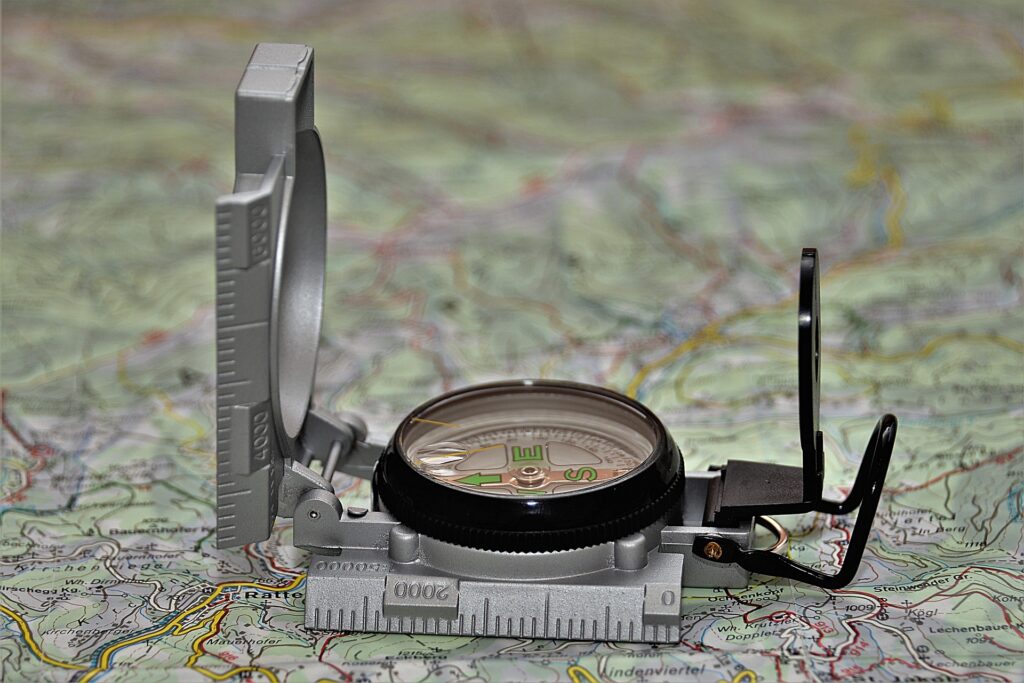
a precision compass

A Precision Compass

Using a precision compass effectively requires knowledge and practice.
Hiking is a timeless outdoor activity that offers a multitude of benefits, from physical exercise to mental rejuvenation. It allows us to disconnect from our busy lives and immerse ourselves in the beauty of nature. However, amidst the tranquility and scenic landscapes, hikers often encounter challenging situations that require precise decision-making. A reliable and precise compass can be a valuable tool that empowers hikers to navigate confidently, ensuring their safety and enhancing their overall experience.

Navigational Challenges in Hiking

While many hikers today rely on GPS devices and smartphone apps for navigation, it’s essential to recognize that these technologies can sometimes fail due to factors like poor signal reception, drained batteries, or technical glitches. In such situations, a physical compass can become a hiker’s lifeline, allowing them to determine direction accurately and make informed decisions.

Hiking trails can be diverse, ranging from well-marked paths to remote, unmarked territories. Navigating through dense forests, steep inclines, or open meadows can sometimes be disorienting, especially when visibility is reduced due to weather conditions or nightfall. A precision compass can cut through this confusion, serving as a steadfast guide even when other navigational aids are unavailable.

The Empowerment of Accurate Decision-Making

  1. Reliable Direction: A precision compass provides a clear sense of direction, allowing hikers to establish their bearing and choose the right path. This is particularly crucial in areas where trail markers might be absent or ambiguous.
  2. Emergency Situations: In case of an emergency or getting lost, a compass can help hikers navigate towards a known point, such as a trailhead or a familiar landmark. This can prevent them from venturing deeper into unknown territory.
  3. Route Planning: A compass enables hikers to plan their routes more effectively. By understanding the cardinal directions and distances accurately, they can estimate the time required to reach their destination and allocate resources accordingly.
  4. Terrain Assessment: Topographical maps combined with a compass can aid in assessing the terrain’s steepness and elevation changes. This information is invaluable for planning breaks, managing fatigue, and staying safe.

Learning to Use a Compass

Using a compass effectively requires knowledge and practice. Hikers should familiarize themselves with basic compass components, such as the rotating bezel and the magnetic needle. Learning to orient a map using a compass, as well as taking declination into account, are essential skills that ensure accurate navigation.

Participating in navigational courses, workshops, or guided hikes can provide hands-on experience and build confidence in using a compass. These opportunities allow hikers to understand how to apply compass readings to their surroundings and navigate without solely relying on electronic devices.

Conclusion

Hiking is an exhilarating adventure that brings us closer to nature and provides a refreshing escape from our daily routines. However, it’s important to remember that even the most experienced hikers can encounter unexpected challenges. In these moments, a precision compass becomes more than just a tool; it becomes a source of empowerment. By mastering the art of compass navigation, hikers can confidently explore diverse terrains, navigate through challenging conditions, and make informed decisions that ensure their safety and enrich their hiking experiences. So, before embarking on your next hiking adventure, make sure you’re equipped with not only your hiking gear but also the invaluable precision of a compass.

Buy a compass at https://campsidecorner.com/compasses/

#campsidecorner #compass #nature #learntouseacompass #hiking #compassnavigation

Share it on Facebook

Posted on 2 Comments

Mastering Navigation – Your Ultimate Guide to Using a Compass Effectively

using a compass effectively

Using a Compass Effectively

Using a compass effectively is a fundamental skill that has been crucial to human survival for centuries. From ancient explorers and sailors to modern hikers and adventurers, the ability to find one’s way in the great unknown has always been a coveted skill. While technology has given us advanced GPS devices and navigation apps, there’s something undeniably timeless and empowering about learning to use a compass effectively. In this CampsideCorner article, we’ll delve into the art of compass navigation and explore the steps to mastering this essential skill.

Understanding the Basics: How a Compass Works

Before delving into the practical aspects of using a compass effectively, it’s important to grasp the fundamental principle behind its operation. A compass is a simple yet ingenious device that utilizes the Earth’s magnetic field to determine direction. The needle inside the compass is magnetized and points towards the Earth’s magnetic North Pole. This means that when you hold the compass level, the needle will always point north.

Step 1: Familiarize Yourself with the Compass

Begin by getting acquainted with the components of a compass. Most compasses consist of a circular housing, a magnetic needle, and a rotating bezel with degree markings. Take the time to understand how these parts work together, as this foundational knowledge will form the basis of your navigation skills.

Step 2: Find Your Bearings

The concept of “bearing” in navigation refers to the direction or angle of a specific location in relation to the compass. Bearings are usually given in degrees, with 360 degrees representing a full circle. To find your bearings using a compass, hold the compass level and rotate your body until the magnetic needle aligns with the North marking on the bezel. The direction you’re facing is now your reference point for taking bearings.

Step 3: Taking Bearings to Navigate

Taking a bearing involves determining the angle between your current direction and the direction of your destination. Let’s say you’re hiking and want to reach a distant peak. Point the compass in the direction of the peak and read the degree marking on the bezel where the magnetic needle points. This is the bearing you need to follow.

Step 4: Adjusting for Magnetic Declination

One crucial factor to consider is magnetic declination, which is the difference between true north (geographic north) and magnetic north. This variance varies based on your location and changes over time due to the Earth’s movement. To account for magnetic declination, adjust your compass reading by the appropriate number of degrees. Many modern compasses allow you to adjust for declination, ensuring greater accuracy in your navigation.

Step 5: Maintaining a Straight Course

Now that you have your bearing, it’s time to maintain a straight course. Keep the compass in front of you, aligning the direction of travel arrow with your bearing. As you move, ensure that the magnetic needle stays aligned with the North marking on the bezel. This will keep you on the correct path.

Step 6: Using Landmarks

Compasses work best when used in combination with natural landmarks. As you navigate, keep an eye out for distinctive features like mountain peaks, rivers, or valleys. Compare these landmarks with your map and compass reading to confirm that you’re on the right track.

Step 7: Practice Makes Perfect

As with any skill, practice is essential for becoming proficient at using a compass. Start with simple exercises in familiar terrain before progressing to more challenging environments. Practice taking bearings, adjusting for declination, and following your chosen path until you’re confident in your abilities.

In a world where technology can sometimes fail or become unavailable, mastering the art of using a compass effectively is a timeless and valuable skill. Learning to use a compass effectively not only enhances your outdoor experiences but also connects you to the ancient traditions of exploration and adventure. So, take the time to familiarize yourself with the compass, hone your navigation skills, and embark on your next journey with confidence, guided by the power of this simple yet powerful tool.

#campsidecorner #repost #nature #navigation #compass

Share it on Facebook

Posted on 1 Comment

The Importance of Quality Hunting Optics: Enhancing Your Hunting Experience

https://campsidecorner.com/hunting-optics/

Introduction

When it comes to hunting, having the right equipment can make all the difference between a successful outing and a missed opportunity. While firearms, camouflage, and hunting skills are essential, one often overlooked aspect is the quality of hunting optics. Investing in high-quality optics can significantly enhance your hunting experience, providing improved clarity, accuracy, and overall success in the field. In this post, we’ll explore the need for quality hunting optics and how they can elevate your hunting game.

Fire Wolf 10-40X56 AOE Hunting Scope

  1. Enhanced Visibility
    Quality hunting optics, such as binoculars or rifle scopes, offer superior visibility compared to their lower-quality counterparts. Optics with excellent light transmission capabilities and high-quality lenses can provide clearer, brighter, and more detailed images. This enhanced visibility allows you to spot game animals, track their movements, and identify targets more effectively. Whether you’re scanning vast landscapes or observing animals from a distance, superior optics can help you spot crucial details that would otherwise go unnoticed.
  2. Increased Accuracy
    When it comes to shooting, accuracy is paramount. Optics with clear reticles, precise adjustments, and optimal magnification levels can greatly improve your shooting accuracy and precision. A quality rifle scope, for instance, enables you to acquire targets quickly, estimate distances accurately, and make more precise shots. By eliminating guesswork and providing a clear sight picture, quality optics allow you to make ethical and effective shots, minimizing the risk of wounded game and increasing your chances of success.
  3. Extended Range
    For hunters who engage in long-range shooting or pursue elusive game, the ability to extend your effective shooting range is invaluable. High-quality optics equipped with advanced features like adjustable magnification, parallax adjustment, and ballistic reticles can help you accurately engage targets at extended distances. With precise windage and elevation adjustments, you can compensate for environmental factors, such as wind or bullet drop, allowing you to make accurate shots even at longer ranges.
  4. Low-Light Performance
    Many hunting opportunities arise during low-light conditions, such as dawn or dusk, when animals are most active. Quality hunting optics excel in low-light performance, featuring coatings and technologies that maximize light transmission and visibility in challenging lighting conditions. Optics with larger objective lenses and high-quality glass can gather more light, providing enhanced clarity and allowing you to hunt effectively during these crucial periods.
  5. Durability and Reliability
    Hunting often involves traversing rugged terrains and facing various weather conditions. Quality hunting optics are built to withstand these challenges. They are constructed with durable materials, are sealed against moisture, and often have shock-resistant features. Investing in rugged optics ensures they can withstand the rigors of hunting, maintaining their performance even in harsh environments.

Conclusion

When it comes to hunting, the quality of your optics should not be overlooked. Investing in high-quality hunting optics can significantly enhance your hunting experience, providing enhanced visibility, increased accuracy, extended range capabilities, and improved performance in low-light conditions. By equipping yourself with reliable and precise optics, you can elevate your hunting game, increase your chances of success, and make the most of every hunting opportunity. Remember, when it comes to hunting optics, quality is key.

#campsidecorner #huntingoptics #hunting #outdoors

Share it on Facebook

Posted on Leave a comment

An Introduction to Fishing Reels: Exploring Types and Their Uses

https://campsidecorner.com/fishing-reels/

Introduction
When it comes to fishing, having the right equipment is essential for a successful and enjoyable experience. One crucial piece of gear every angler should understand is the fishing reel. Fishing reels come in various types, each designed for specific fishing techniques and conditions. In this post, we will explore different types of fishing reels and their respective uses, helping you choose the right reel for your fishing adventures.

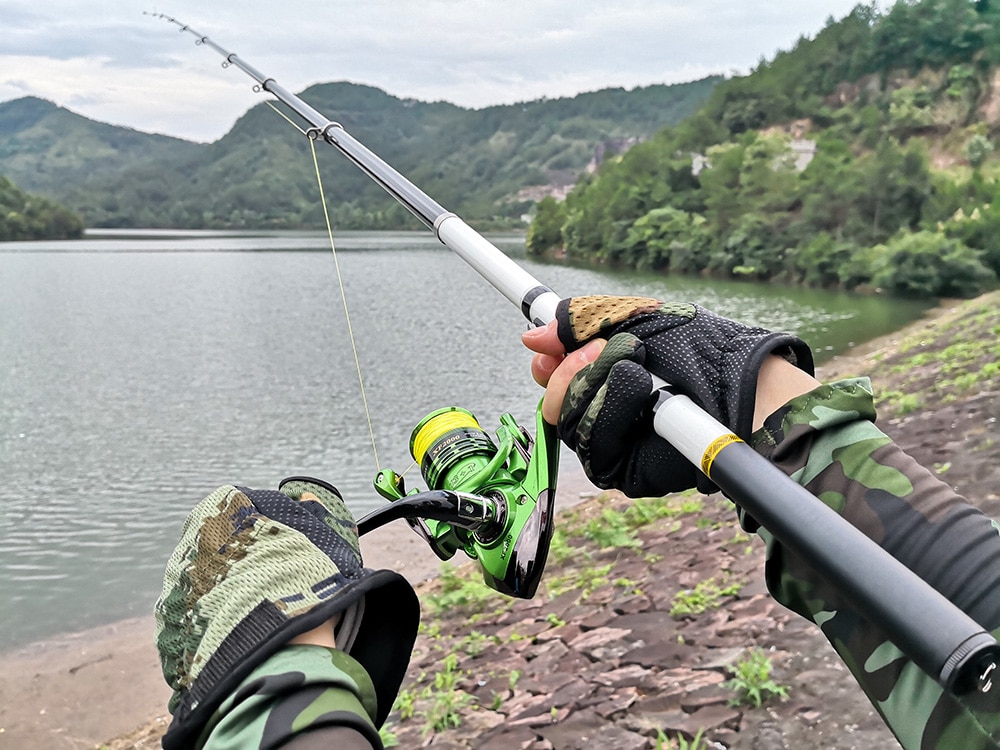
fishing reels on campsidecorner.com
  1. Spinning Reels
    Spinning reels are among the most popular and versatile fishing reels used by anglers of all skill levels. They feature an open-faced design with a fixed spool, allowing the line to unravel freely during casts. Spinning reels are ideal for lightweight to medium-weight fishing, such as freshwater fishing or light saltwater applications. They offer excellent casting distance and versatility, making them suitable for a wide range of fishing techniques, including live bait fishing, casting lures, and finesse techniques.
  2. Baitcasting Reels
    Baitcasting reels, also known as overhead reels, are favoured by experienced anglers due to their precision and casting accuracy. These reels feature a revolving spool and are mounted on top of the fishing rod. Baitcasting reels are primarily used for heavy-duty fishing, such as targeting large freshwater species or saltwater game fish. They excel at casting heavier lures, fishing in dense cover, and providing excellent control when battling powerful fish.
  3. Spincast Reels
    Spincast reels are often referred to as closed-face reels, characterized by their simple and user-friendly design. These reels are ideal for beginners and young anglers due to their ease of use and tangle-free operation. Spincast reels have a closed housing that protects the line and spool, making them less prone to tangles and backlash. They are commonly used for light fishing applications in freshwater, such as panfish, small bass, or trout fishing.
  4. Fly Reels
    Fly reels are specifically designed for fly fishing, a technique that involves casting lightweight artificial flies using a specialized fly rod and line. These reels have a large arbor design to accommodate the bulkier fly lines required for casting. Fly reels play a vital role in controlling and managing the line during fly fishing, ensuring smooth drag and retrieval. They come in various sizes to match different fly rod weights and are typically used for freshwater and saltwater fly fishing.
  5. Trolling Reels
    Trolling reels are primarily used for offshore or deep-sea fishing, where anglers deploy lines from a moving boat. These reels are designed to hold a substantial amount of fishing line and offer a powerful drag system to handle large, hard-fighting game fish. Trolling reels feature a level-wind mechanism that distributes the line evenly on the spool, allowing for smooth and controlled retrieves. They are commonly used for targeting species like tuna, marlin, or salmon in deep waters.

Conclusion
Understanding the different types of fishing reels and their uses is crucial for selecting the right reel that suits your fishing style, target species, and fishing conditions. Whether you’re a beginner or an experienced angler, having the appropriate reel for the task at hand can greatly enhance your fishing success and overall enjoyment. So, next time you head out on your angling adventures, make sure to match your fishing reel with the appropriate fishing technique, and get ready to reel in some memorable catches!

#campsidecorner #fishing #fishingreels

Share it on Facebook

Posted on 1 Comment

Embrace the Wild. Discover the Beauty and Thrill of the Great Outdoors!

great outdoors with campsidecorner.com

🌿🏞️ πŸŒ„πŸŒ²

Are you ready to break free from the everyday hustle and embark on a journey that will ignite your spirit and awaken your senses? Step into the realm of nature’s grandeur and immerse yourself in the breath-taking beauty of the great outdoors! πŸŒ³β›°οΈ

great outdoors

πŸŒ… Unveiling the Magnificence

Picture yourself standing atop a majestic mountain peak, gazing at an awe-inspiring sunrise that paints the sky with hues of gold and pink. Feel the cool breeze as it brushes against your face, carrying with it the invigorating scents of pine and earth. The great outdoors offers a sanctuary for the soul, a place where tranquillity and adventure coexist in perfect harmony.

🌲 A Playground of Wonder

From dense forests to cascading waterfalls, from serene lakes to rugged cliffs, nature’s playground is vast and diverse, ready to be explored. Lace up your hiking boots and set off on winding trails that lead you through enchanting landscapes, revealing hidden gems along the way. Dive into crystal-clear lakes for a refreshing swim or test your courage with thrilling rock-climbing escapades. The possibilities are as endless as the horizon!

⛺️ Unforgettable Camping Experiences

As the sun dips below the horizon, it’s time to set up camp and let the magic of the wilderness envelop you. Build a cozy fire, roast marshmallows, and share stories under a canopy of twinkling stars. Fall asleep to the soothing sounds of nature and wake up to the symphony of birdsong, feeling rejuvenated and connected to the earth.

🌈 Find Your Adventure

Whether you’re a seasoned explorer or a nature enthusiast just starting your journey, the great outdoors welcomes all. Hike through ancient forests, paddle along winding rivers, or cycle through scenic trails. Challenge yourself with adrenaline-pumping activities like zip-lining or indulge in moments of serenity while birdwatching or practicing yoga amidst nature’s embrace.

πŸŽ’ Gear Up for the Journey

To truly embrace the wild, you need the right gear by your side. At Campside Corner we are passionate about equipping adventurers like you with top-notch camping and outdoor gear. From reliable tents and comfortable sleeping bags to rugged backpacks and essential survival tools, we’ve got everything you need to make your outdoor experience unforgettable.

πŸ”† Embrace the Call of the Wild

The great outdoors is calling, beckoning you to leave behind the ordinary and discover extraordinary moments that will stay etched in your heart forever. Join us as we embark on this thrilling journey together, embracing the wild and unlocking the boundless beauty and exhilaration of the great outdoors!

🌿✨ Share this post with your fellow adventurers and tag them in the comments below. Let’s inspire each other to embrace the wild and create memories that will last a lifetime!

#campsidecorner #nature #EmbraceTheWild #DiscoverTheOutdoors #AdventureAwaits